Statewide housing issues are causing conversations in cities across Massachusetts, including in Cambridge, where lawmakers are considering a change to residential zoning laws.
Cambridge Housing Committee members are discussing a plan to remove zoni…
Your Hometown Radio
Statewide housing issues are causing conversations in cities across Massachusetts, including in Cambridge, where lawmakers are considering a change to residential zoning laws.
Cambridge Housing Committee members are discussing a plan to remove zoni…
A judge ruled Tuesday that the bankrupt Steward Health Care system can meet Wednesday’s payroll for its roughly 9,750 employees in Massachusetts and more than 20,000 others around the country, an early ruling in a court proceeding in which Massachusetts is among hundreds of interested parties.
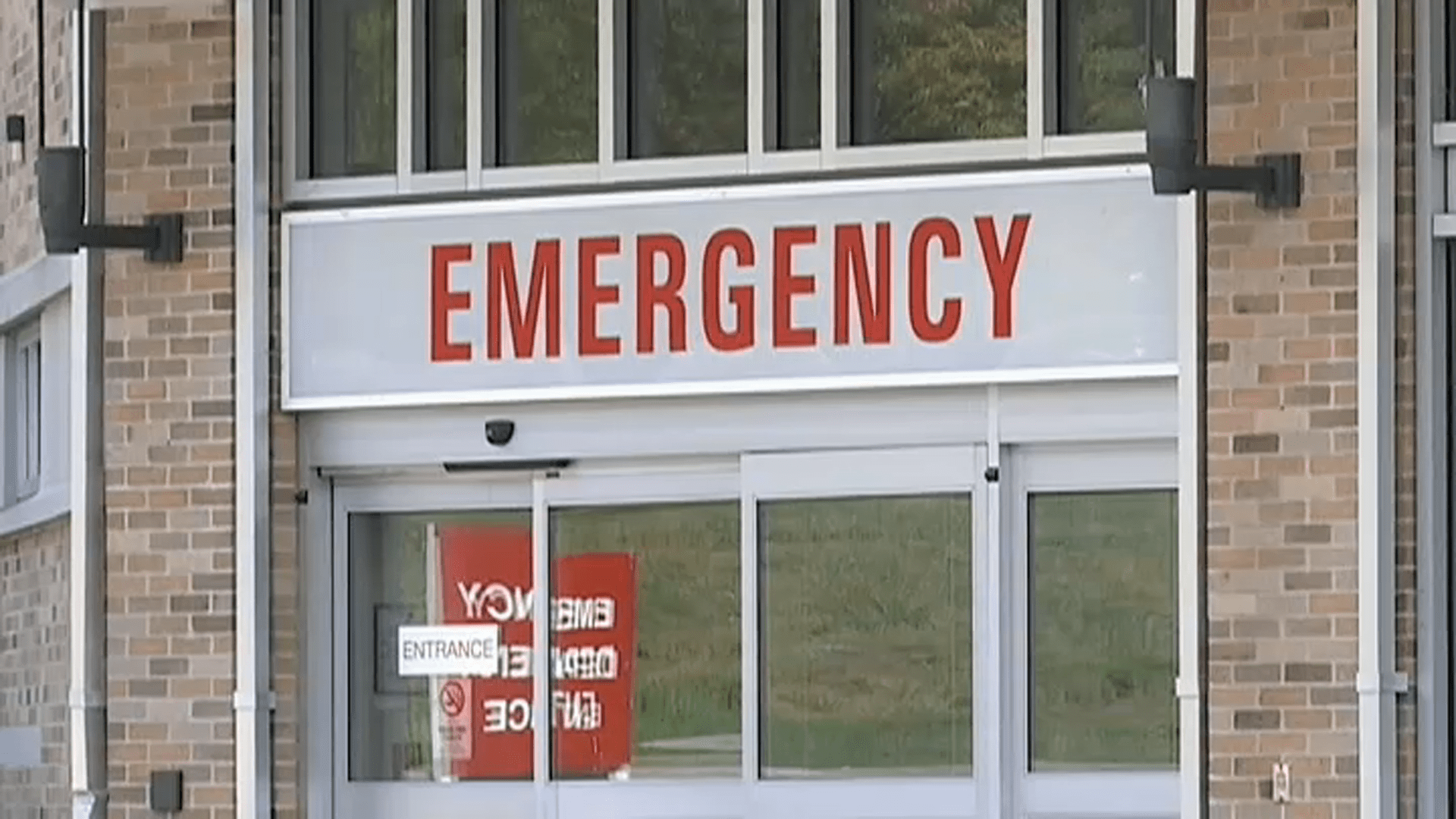
The operator of the third-largest hospital system in Massachusetts, Steward filed for Chapter 11 bankruptcy in Texas on Monday, seeking legal protection to restructure debt of between $1 billion and $10 billion while leaving its hospitals open. The company operates eight Bay State hospitals and has been sinking under a pile of debt to vendors and its de facto landlord. It has also been feeling the pressure from Massachusetts officials who are focused on making sure Bay Staters have appropriate access to care and that Steward’s floundering does not worsen the capacity crunch at Massachusetts hospitals.
Judge Christopher Lopez of the U.S. Bankruptcy Court for the Southern District of Texas held a hearing on initial motions related to Steward’s bankruptcy Tuesday, primarily requests from Steward to pay certain bills or meet specific obligations while its more than 100,000 creditors scramble to try to ensure they will be paid. Among the motions was one to authorize (but not require) Steward to pay wages, salaries, employee benefits, expenses, and other compensation while the bankruptcy case moves ahead. Lopez said he was comfortable with the request and approved it after the hearing in the absence of objections from creditors.
“This case feels different. It’s real patients who are showing up at the hospital like right now and I want them to feel comfortable that the physician that they are going to see, that there are nothing in the back of their mind other than their treatment and the care that they’re going to receive. I have no doubt the physicians would do their best and would honor their duties,” the judge said. “But I’m going to make sure that any concerns are taken off the table, especially when the folks with the money on the line have not objected to this relief.”
An attorney for Steward told the court that the company pays approximately $150 million a month in employee wages, mostly in arrears. And as of Monday, Steward owed approximately $68 million for accrued, but unpaid, wages that had already been earned. As of February, there were 9,753 employees on Steward’s payroll in Massachusetts and 6,405 licensed independent practitioners working within Steward hospitals, the state said.
Massachusetts state government was represented at Tuesday’s hearing by Andrew Troop, a lawyer who leads the Insolvency & Restructuring Practice Group in the New York office of Pillsbury Winthrop Shaw Pittman. The Amherst College graduate previously represented Massachusetts and other states in the Chapter 11 bankruptcy of Purdue Pharma and has served on the board for Greater Boston Legal Services for more than a decade.
“Health care cases, as everyone has acknowledged, are not your typical cases. This is not an issue for someone in a manufacturing job,” Troop said in support for the wages motion Tuesday. “On this one, your honor, making sure that the people who provide critical care services leave today confident that their base pay is going to be paid in tomorrow’s payroll is both the right thing to do [and] well within your authority and power to execute on.”
He added, “Vendors are waiting for the outcome of this hearing. Patients are waiting for the outcome of this hearing.”
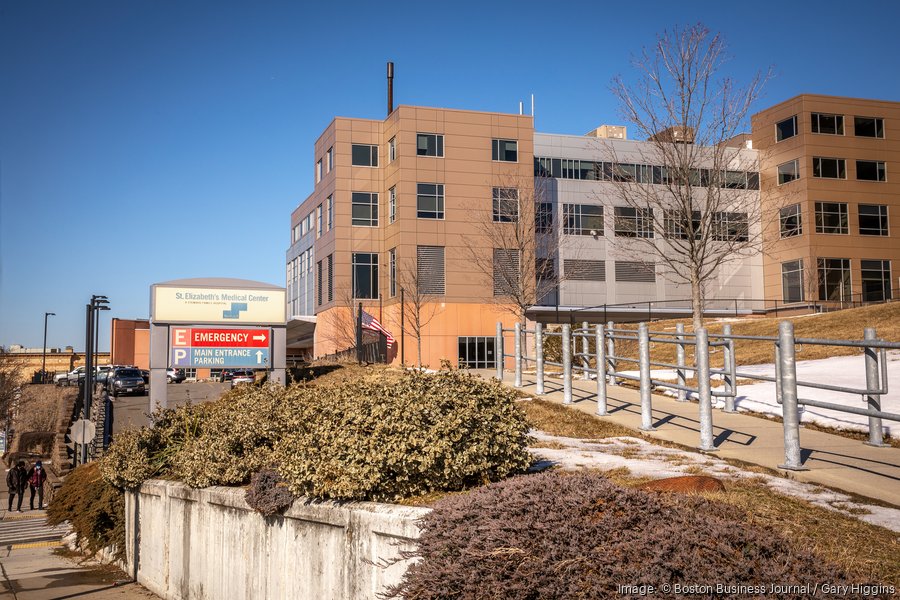
Steward operates eight hospitals in Massachusetts: St. Elizabeth’s in Brighton, Carney Hospital in Dorchester, Good Samaritan Medical Center in Brockton, Holy Family Hospital in Methuen and Haverhill Hospital in Haverhill, Morton Hospital in Taunton, Nashoba Valley Medical Center in Ayer, Norwood Hospital (which is closed as it undergoes restoration work) and St. Anne’s in Fall River.
Gov. Maura Healey and other state leaders have said they want to see Steward exit the Massachusetts health care world but Healey’s Health and Human Services Secretary Kate Walsh has also noted that due to the company’s debt and lease arrangements, “People can’t figure out what they’re buying.”
One state filing in bankruptcy court said the state’s objective is to get “results where Steward no longer operates hospitals in Massachusetts.”
Steward has been working for months to find other operators interested in buying its hospitals. Ray Schrock, Steward’s lawyer from the firm Weil, Gotshal & Manges, told the court Tuesday that Steward faces a June 25 deadline to auction its hospitals in Massachusetts and other states except for Florida under the terms of a $75 million loan the company got from its landlord. But he also said that timeline isn’t likely to be satisfied.
“We’ll see how the timing goes. We’ll see whether or not this is revisited. We’re going to keep our word and do everything we can to meet it. But I’m here to tell you now, you can’t close these hospital sales on the timeline of likely into June. It’s not feasible, OK? It’s not something that I can sit here and say that you can do it without violating state law. So we’ll have to work with parties.”
Schrock said Steward’s “sales strategy is the foundation of these cases, it’s going to be critical to maximizing recoveries” for creditors, but that the company does not want to “fire sale the assets.”
“I know that [landlord Medical Properties Trust] has a strong desire to get … new tenants in here. But we want to proceed deliberately and we don’t want to pursue a value-minimizing strategy,” he said.
Because MPT owns the land that Steward’s for-sale hospitals sit on, Schrock said he expects there will be “tension between MPT and some of the stakeholders in these cases that we’re just going to have to work through.”
“MPT, listen, they’re here to maximize the real estate value and maximize the value of their claims. That’s their job. The other stakeholders are looking at the sale processes and say, ‘Listen, there’s an operational value that’s really the crux of these hospitals and these operations.’ And how you sort between the operational value of a hospital and the real estate value of a hospital, I’ll just say people could logically debate,” Schrock said. He added, “How you get that value between the [operating company] and the lease is something that’s going to have to be resolved.”
Since Steward’s financial troubles came to the surface earlier this year, the Department of Public Health has conducted regular monitoring visits to all Steward hospitals, wanting to ensure the facilities continued to comply with state laws and regulations.
“Based on the findings of the Department’s monitoring, it has become clear that Steward’s fiscal challenges have already presented patient safety and health challenges, which to date have been isolated, and DPH has been able to detect and remediate quickly. These challenges include maintaining the physical premises (e.g., fire safety equipment) as well as critical supplies and equipment,” DPH Commissioner Robbie Goldstein wrote in a filing. “For the most part, the cause of any issues the monitors have identified is lack of funding made available to the hospitals from the Steward corporate level.”
Massachusetts’ filings in bankruptcy court shed a more detailed light on the financial problems at Steward.
Since 2022, there have been at least 21 lawsuits filed by vendors and staff against Steward and/or its Massachusetts hospitals for alleged nonpayment of more than $60 million, the state said. In November, Goldstein said, DPH learned that Steward’s hospitals here owed a collective $540,908.16 to UMass Chan Medical School’s New England Newborn Screening Program for newborn screening tests performed from January 2022 to September 2023. As of April 30, Steward had accrued additional debt related to this program for a total balance of $766,691.99.
On Jan. 9, DPH found out that Good Samaritan Medical Center in Brockton owes $1.2 million to Brockton Hospital for nurses that Brockton Hospital provided on loan. Brockton Hospital also told the state that it was providing products, like sterile surgical drapes, to other Steward hospitals in Massachusetts.
And late last month, one “critical vendor” got in touch with DPH and Health and Human Services Secretary Walsh about an outstanding debt owed by Steward and threatened to cease servicing its equipment unless Steward made a cash payment by May 1. (The state’s filing does not indicate whether that payment was made).
“Steward enters bankruptcy with its hospitals in Massachusetts compromised by fiscal and operational mismanagement, the nature and scale of which it actively concealed from both the government and the public. Steward created an untenable situation by over-leveraging its hospitals and imposing exorbitant and unsustainable rental obligations on each hospital. It is now clear that not long after creating this situation, hospital operations could not bear the excessive rent costs, Steward could not service the debt it had incurred, and Steward started to shirk its obligations to pay vendors and suppliers. All the while, Steward continued to enrich its investors and management,” the state wrote in a brief. “Instead of advancing a global solution to stabilize its financial situation, Steward pivoted to a plan to sell its physician network to pay off its landlords and senior lenders, to whom Steward had leveraged all available accounts receivable and, in effect, given nearly exclusive control over the survival of Steward’s Massachusetts Hospitals.”
A Michigan man carrying explosives traveled to Massachusetts in 2023 and later said he wanted to blow up a building in Salem known as the Satanic Temple, according to a federal indictment.
Luke Terpstra was charged in western Michigan with two felonies: transportation of an explosive and possession of an unregistered explosive.
“Building explosive devices and transporting them with the intent to injure civilians and damage property puts us all at risk,” U.S. Attorney Mark Totten said Wednesday.
The indictment was filed Tuesday. Terpstra, 30, of Grant, Michigan, is being held in the Newaygo County jail on related state charges. He faces a hearing in federal court next Monday.
The court file doesn’t list an attorney yet who could speak for Terpstra.
The Satanic Temple in Salem says it doesn’t believe in Satan but describes itself as a “non-theistic religious organization” that supports secularism. There is an art gallery at the site.
Terpstra had an explosive device, multiple firearms and ammunition when he traveled to Salem in September, the indictment says. The indictment doesn’t mention an alleged motive. No violent acts occurred.
“It is terrifying that he walked in our midst planning such violence,” Salem officials said in January when local authorities in Michigan filed the initial charges.
In April, a man from Oklahoma threw a pipe bomb at the main entrance of the Satanic Temple, causing a minor fire and other damage, according to federal authorities. A handwritten note found nearby referred to a fight against “crybaby Satan.”
Dollars coming from Washington to support survivors of violent crimes have dried up in recent years, and state funds to prop up struggling service providers are held up in a spending bill awaiting legislative action.
Federal funding through the Cri…
The expansion of the Encore Boston Harbor casino in Everett, Massachusetts, has been suspended as the casino and city can’t come to terms over things like taxes and impact fees, Encore parent company Wynn Resorts said this week.
Wynn had been seeking to build a new facility across Broadway from the $2.6 billion casino that opened in 2019 as the first phase of an expansion meant to contribute to the emergence of a new entertainment district in Everett. The initial expansion planned a dedicated poker room, a second sports betting parlor, a relocated nightclub, a theater, a comedy club, parking garage and more. It had been advancing as the city also works to clear the way for a professional soccer stadium in the same neighborhood.
“We remain optimistic about the project fulfilling the city’s and our shared goal of developing an exciting and vibrant destination district on Lower Broadway with restaurants, hotels, theaters, and other recreational uses. However, it has become apparent that we are unable to negotiate an agreement with the City of Everett regarding property taxes, impact fees, and infrastructure improvements in a timely fashion,” the company said in a statement that replaced the website for the project. “Until these issues are addressed with a financially viable resolution we have a responsibility to our shareholders, and cannot continue to incur project costs.”
The news was announced Tuesday during Wynn Resorts’ earnings call and was previously reported by the Boston Herald. On the call, CEO Craig Billings said that the suspension of the project was “disappointing” but added that Wynn has “numerous other development projects globally where we can redirect the capital we intended to deploy in Boston.”
Everett Mayor Carlo De Maria’s office did not immediately respond to a request for comment.
During a meeting Thursday morning, Gaming Commission Executive Director Dean Serpa mentioned the reports of the project suspension and said the information available publicly is in line with the commission’s understanding of the project’s status.
“Obviously, we’re all prepared and ready to move forward as things develop further,” he said.
Encore’s expansion has been on the commission’s radar for years, and this is not the first time the project has been put on hold. In early 2022, Wynn “decided to pause the permitting process for this development so that they can do some reevaluation on whether the development as proposed is the best use for the site,” a Gaming Commission official said at the time.
The expansion was initially proposed without sports betting or poker components, but Wynn changed course and wanted to expand its gambling operation across the street once Massachusetts legalized sports betting later in 2022.
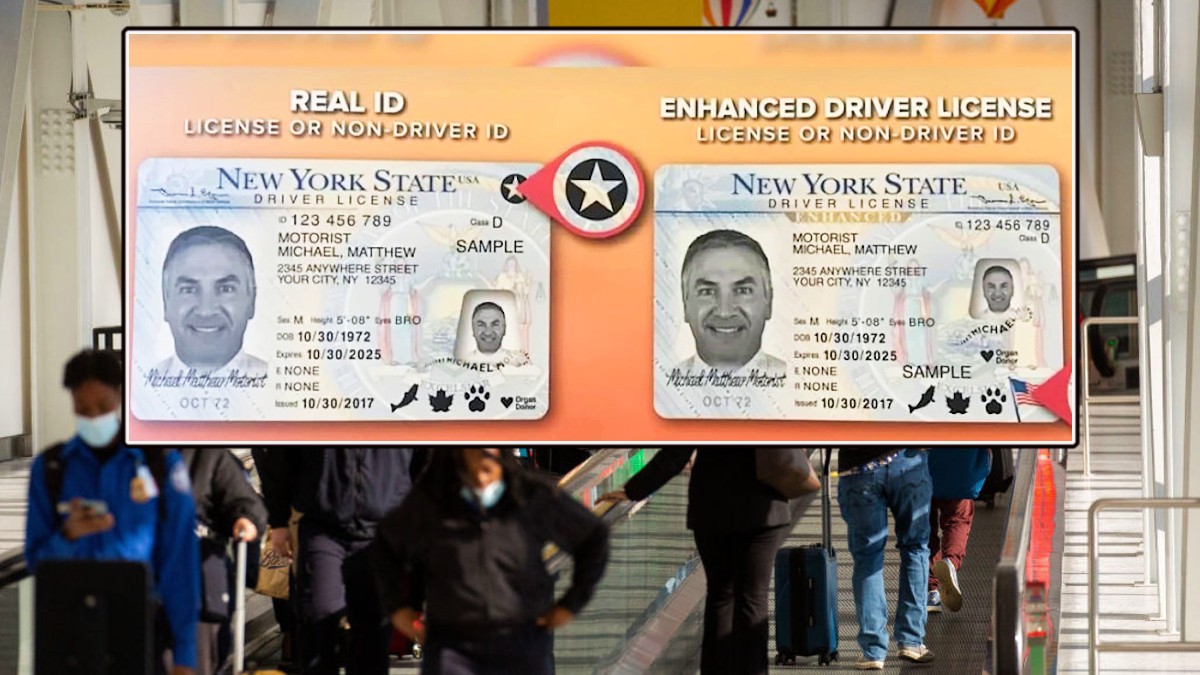
The clock is ticking for Massachusetts residents to get their Real ID-compliant driver’s license or identification card or passport if they want to board a plane next year.
Anyone flying in the U.S. or entering a federal building will need a REAL ID or a valid passport starting May 7, 2025, the Massachusetts Registry of Motor Vehicles said.
“The countdown is on for REAL ID federal enforcement,” said Registrar of Motor Vehicles Colleen Ogilvie. “And the Massachusetts Registry of Motor Vehicles, and its partner AAA Northeast, have successfully been issuing REAL ID credentials and are prepared for interested residents prior to the May 2025 deadline.”
Massachusetts is currently at a 54% REAL ID adoption, the RMV said, with about 3 million credentials being REAL-ID compliant.
“Customers are eligible to renew up to one year in advance of the expiration date printed on their license or ID, and up to two years after the expiration date,” said the RMV.
Before May 7, 2025, residents won’t need a federally compliant REAL ID to travel in the U.S. or to enter federal buildings.
For more information about the REAL ID, visit mass.gov.